

Trichotillomania: Understanding the Compulsion and Finding Ways Forward
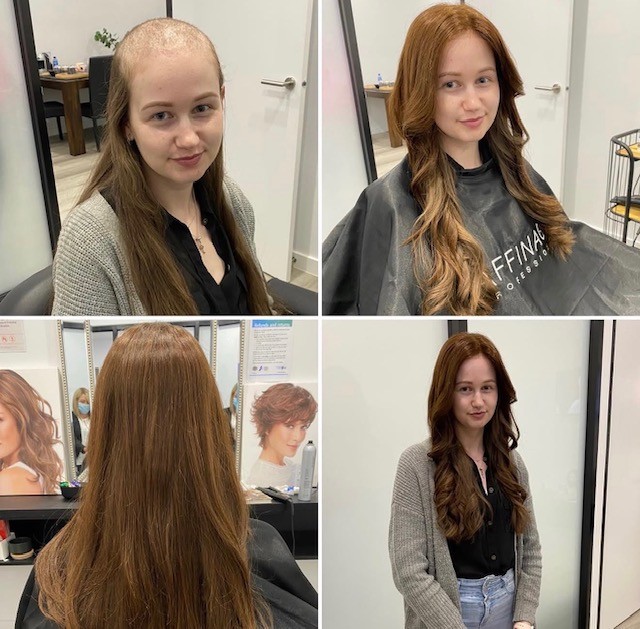
Trichotillomania is not a bad habit or a lack of willpower. It is a recognised mental health condition, and with the right mix of support, many people learn to manage it and regain their confidence.
What is trichotillomania?
Trichotillomania, also called hair-pulling disorder, is a recurring and often overwhelming urge to pull out hair from the scalp, eyebrows, eyelashes or other parts of the body, even when the person badly wants to stop. It is part of a group of conditions known as body-focused repetitive behaviours (BFRBs), alongside skin picking and nail biting.
It is a condition we are seeing more and more every week in our clinics.
For many people, pulling is a way of coping with stress, anxiety, boredom, tiredness or frustration. It can bring a brief sense of relief, which is exactly what makes it so hard to break. Some pulling happens with full focus; much of it happens automatically, while reading, scrolling, watching TV or lying in bed.
The emotional toll is often heavier than the physical one. Most people pull in private and go to great lengths to hide bald patches, which can lead to shame, isolation and avoiding everyday things like swimming, windy days or a trip to the hairdresser. If that sounds familiar, you are far from alone.
More people are seeking help
Trichotillomania is far more common than most people realise. Lifetime prevalence is estimated at roughly 0.6% to 2.2% of the population and some clinical sources put it as high as 4%. In Australia, that could mean hundreds of thousands of people. It usually begins between ages 10 and 13, and a high majority of those in adult years are women.
The pandemic made things harder for many. Paracelsus Recovery, a clinic in London and Zurich, reported a 300% jump in hair-pulling referrals and enquiries compared with pre-pandemic levels. A survey of 460 people with BFRBs found hair-pulling severity rose during COVID-19, and doctors in Turkey described children who started pulling out of boredom while schools were closed.
Two things are driving the numbers up:
- More stress and anxiety. Isolation, disrupted routines and long hours at screens create the exact conditions in which automatic pulling thrives.
- More openness. Public figures such as Amy Schumer and Selena Gomez have spoken about living with it, encouraging people who suffered in silence to finally ask for help.
It is worth being clear: much of the rise is in people seeking help, and better population studies are still needed. But for clinics and hair specialists, the message is the same. More people are walking through the door with pulling-related hair loss than ever before.
Yes, people do overcome it
Recovery is real, even after years of pulling. It is rarely a straight line, but these stories show what is possible.
- Aneela Idnani pulled her eyebrows and lashes from childhood and hid it even from her husband. With his support she turned her recovery into HabitAware, a wearable that alerts people when their hand moves towards their hair, and has since given a TEDx talk on the condition (ADAA).
- Alicia began pulling at age 5 and was bullied at school. Receiving her first hair piece at 13 gave her back her confidence, and by 18 she had fully recovered.
- Louise pulled for years before working with an online coach. Eight months later she had pulled only a handful of hairs, and her hair grew back enough that old friends barely recognised her (Trichotillomania Support).
- A clinical case of a college student with five years of pulling, after medication and therapy had failed, saw a 72% drop with habit reversal training and completely stopping once cognitive work was added. The gains held at a five-year follow-up (Clinical Case Studies).
What tends to work
- Habit Reversal Training (HRT): learning to notice the urge and swap in a competing action. It has the strongest evidence of any approach.
- Comprehensive Behavioural (ComB) treatment: maps each person's triggers across senses, thoughts, feelings and settings.
- Stimulus control: changing the environment so pulling is harder, such as gloves, hats, bandaids or covering the area.
- Community and support: peer groups, psychologists, Cognitive and Dialetical behaviour therapies are also helpful.
The common thread is that people succeed when they combine understanding of the urge with practical changes that make pulling less easy and less automatic. That is where hair solutions can play a powerful role.
How our CR Lab and bonded solutions can help
Covering the areas being pulled can make the urge easier to resist, and that is what our CR Lab and other bonded hair solutions are designed to do. Clinicians already recommend this idea, called stimulus control: when the target hair is harder to reach and see, automatic pulling is interrupted more often.
Our CR Lab systems, developed by Cesare Ragazzi Laboratories in Italy, are custom-made from natural human hair and bonded semi-permanently over the affected areas. Here is why that matters for someone with trichotillomania:
- A physical barrier. Fingers that drift to the scalp meet a smooth, secure base instead of individual hairs to search for and pull.
- Fewer visual triggers. Bald patches often draw the eye and the hand back to the same spot. Covering them breaks that loop.
- Room to regrow. With the area protected, the hair underneath has a chance to recover, which can be deeply motivating.
- Confidence restored. A bonded system stays in place for swimming, exercise and sleep, so you can stop hiding and start living normally again.
- Discreet and natural. Each piece is matched to your colour, density and style, so no one needs to know.
We see our solutions as one part of the picture, not a cure on their own. They work best alongside support from a GP, psychologist or BFRB specialist, and we are always happy to work in with your care team.
Watch our brave client Skye talk about the impact of Trichotillomania on her life and the methods she has used to manage it.
You don't have to manage this alone
Trichotillomania can feel isolating, but recovery is possible and help is closer than you think. A good first step is talking to your GP, who can refer you to a psychologist under a Mental Health Treatment Plan.
Helpful places to start:
- TLC Foundation for BFRBs: information, a therapist directory and support groups
- International OCD Foundation: find a clinician experienced with BFRBs
- Lifeline on 13 11 14, if you are feeling overwhelmed
- Trichotillomania Therapists in Australia — In Person & Online Support
If hair loss from pulling is affecting your confidence, book a free, private consultation with our team. We will talk through what you are experiencing and whether a CR Lab or another type of bonded solution could help you on your way.
Tammy x